










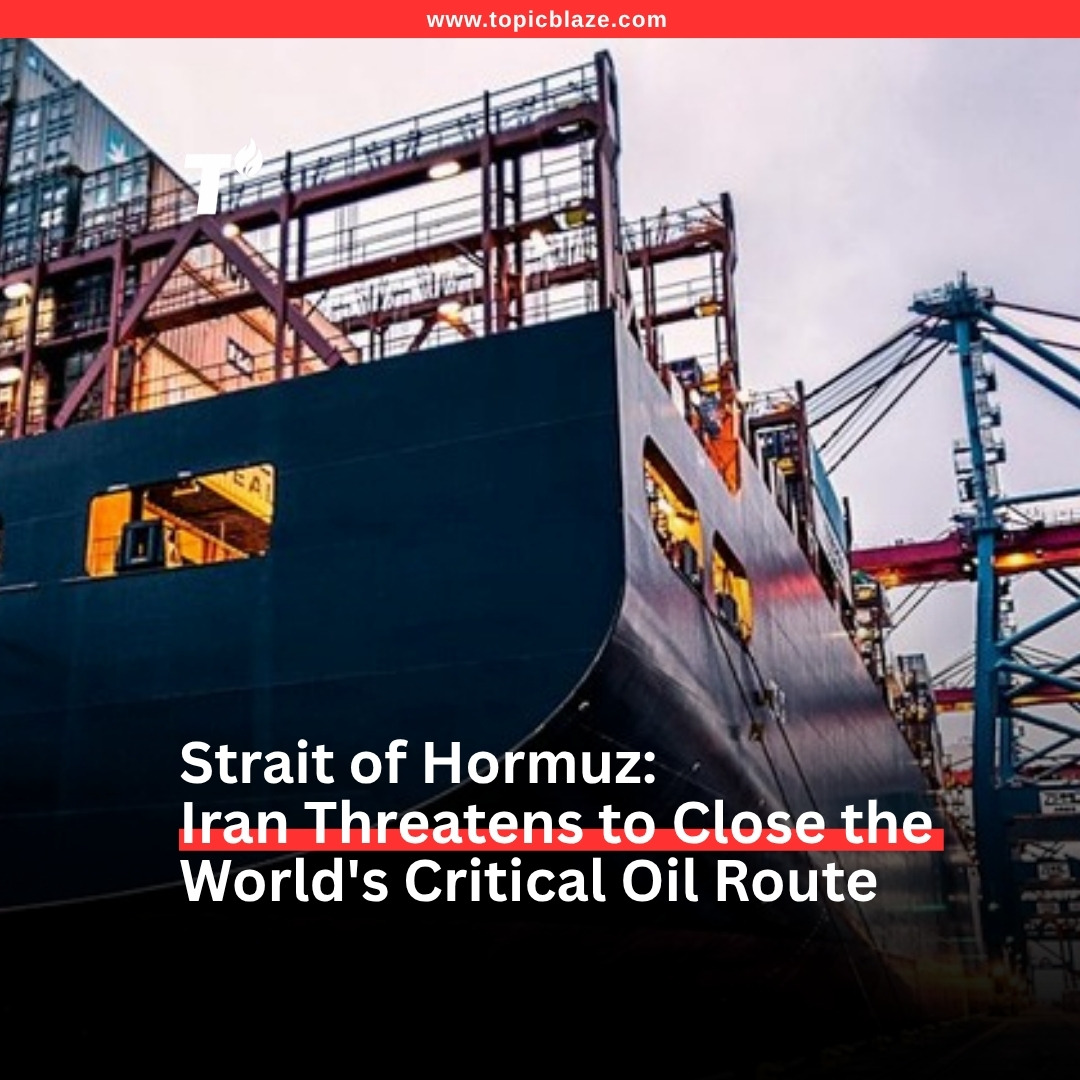
Iran’s Revolutionary Guard Corps issued a formal threat on Wednesday to close the Strait of Hormuz — the narrow waterway through which roughly 20% of the world’s oil supply passes daily — if US sanctions pressure continues to escalate ahead of ongoing nuclear negotiations. The warning, delivered by IRGC naval commander Rear Admiral Ali Reza Tangsiri at a military ceremony in Bandar Abbas, is the most direct threat to the strait in more than three years and triggered an immediate 2.4% spike in oil prices on international markets.
Why Hormuz Matters So Much
At its narrowest point, the Strait of Hormuz is just 21 miles wide — barely enough for two-lane tanker traffic — yet it carries approximately 17–20 million barrels of oil per day, representing about one-fifth of global petroleum consumption. Every barrel of oil exported from Saudi Arabia, Iraq, Kuwait, the UAE, and Qatar must pass through this chokepoint. There is no viable alternative route: the Saudi East-West Pipeline has a capacity of just 5 million barrels per day, and the UAE’s Habshan-Fujairah pipeline handles roughly 1.5 million — together covering less than a third of normal Hormuz throughput. A sustained closure, even for 30 days, would drain global strategic reserves and trigger oil price spikes that analysts estimate could reach $150 per barrel.
“Iran has used this threat before as a negotiating card, but the frequency and specificity of the current warnings suggest it’s being treated as a serious contingency plan, not just rhetoric. The US Fifth Fleet is watching very closely.”
— Jonathan Schanzer, Senior Vice President, Foundation for Defense of Democracies
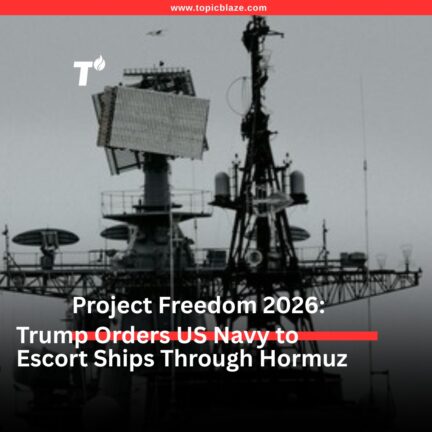
The US military maintains a significant presence in the region specifically to deter such a move. The USS Harry S. Truman carrier strike group is currently positioned in the Arabian Sea, and the Fifth Fleet — headquartered in Bahrain — operates continuous patrol operations through Hormuz. Military analysts note that Iran has invested heavily since 2019 in fast-attack boat swarms, anti-ship missiles, and underwater drones specifically designed to threaten tanker traffic, making any military response to a closure significantly more complex than it was a decade ago.
Meanwhile, diplomatic talks in Oman — aimed at defusing the broader US-Iran standoff — are reportedly continuing despite the Hormuz threat, with both sides treating the naval posturing as a pressure tactic rather than a genuine precursor to action. US National Security Advisor Mike Waltz said Thursday that Washington views the threat as “bluster designed to strengthen Iran’s negotiating position,” but warned that any actual interference with international shipping would be “met with a swift and decisive response.”

What This Means For You
Unless Iran actually moves to block Hormuz — which most analysts consider unlikely given the US military deterrent — the direct impact on your fuel prices will be limited to the volatility of the threat itself. However, this is a reminder of how fragile global energy supply chains remain: a single chokepoint can move oil prices by double digits in hours. If you drive a gas-powered vehicle and have flexibility in when you fill up, doing so during moments of diplomatic calm rather than waiting for crisis moments will save you money over the course of the year.