













The numbers coming out of the summer of 2026 belong to a different climate than the one previous generations understood. The global mean surface temperature for the first quarter exceeded the pre-industrial baseline by 1.7 degrees Celsius — above the 1.5-degree threshold that the Paris Agreement identified as a critical guardrail. In practical terms, what that means played out across the Northern Hemisphere in a series of heat events that set records at local, national, and global scales.
In Phoenix, Arizona, the city recorded 47 consecutive days above 115 degrees Fahrenheit, breaking the previous record of 31 days set in 2023. Emergency rooms across the Southwest saw a 340 percent increase in heat-related admissions compared to the same period in 2020. The human cost was stark: preliminary estimates from public health researchers suggest more than 2,400 excess deaths in the U.S. alone attributable to the extreme heat, with the elderly, outdoor workers, and people without air conditioning bearing the largest burden.
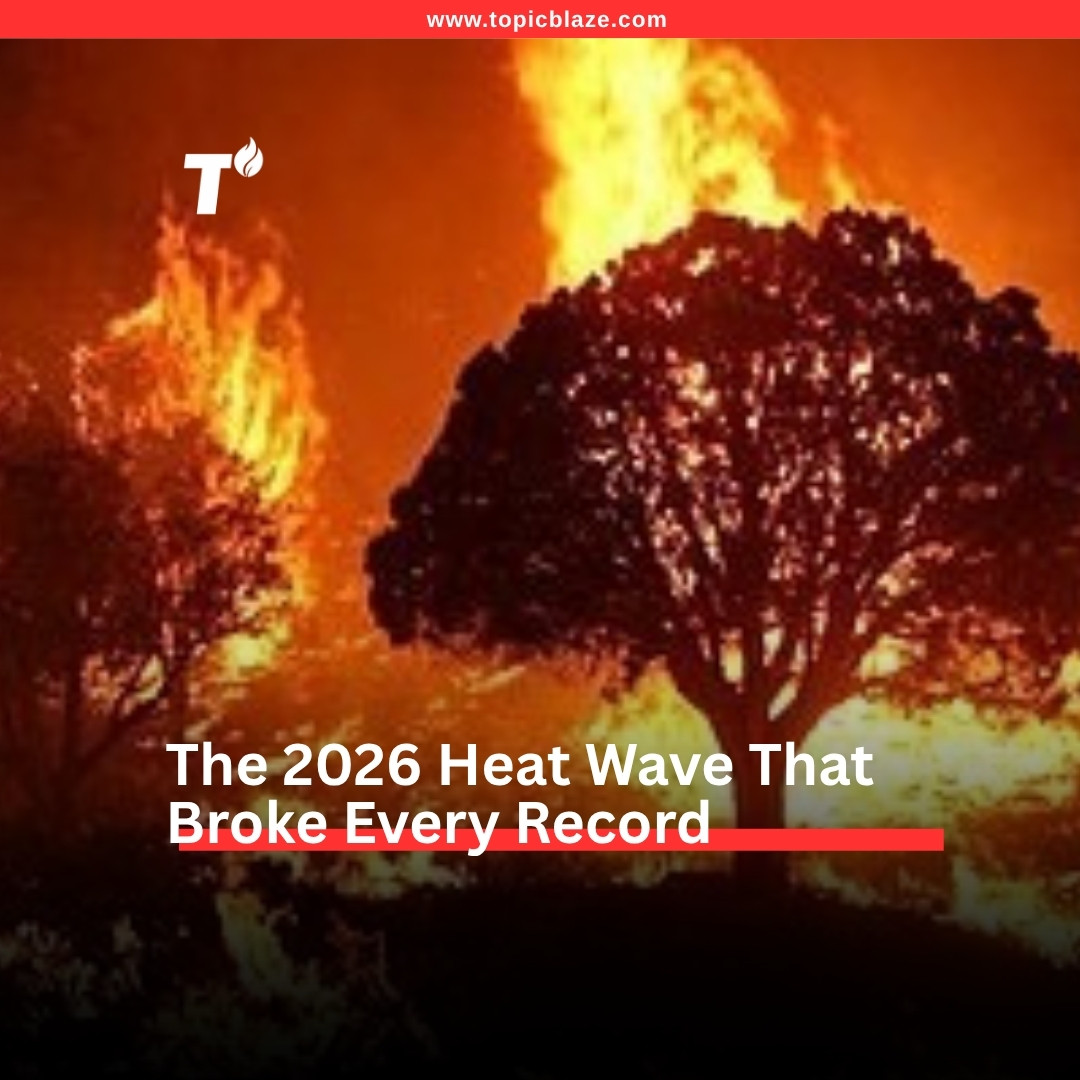
In Europe, the picture was similarly alarming. Spain, France, and Italy all recorded their highest temperatures since record-keeping began. The Spanish government declared a national climate emergency and deployed military logistics to distribute water and ice in areas where grid-connected cooling became unreliable under peak demand. Greece saw its largest wildfire in recorded history consume more than 400,000 hectares across the Peloponnese.
We have moved out of the range of what climate science considered ‘warning’ events. These are no longer warnings. These are consequences.
— Dr. Friederike Otto, Imperial College London climate scientist
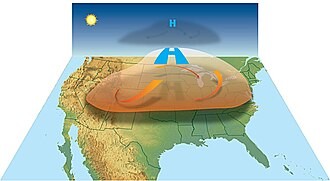
The scientific community has been careful but increasingly direct. Attribution science — the field that quantifies how much more likely a given weather event is because of climate change — has matured to the point where researchers can now calculate these probabilities within days of an event’s peak. The 2026 heat wave, according to the World Weather Attribution project, was made approximately 15 times more likely by human-caused climate change, and was 4 degrees Celsius hotter than it would have been in a pre-industrial world.
The economic damage is still being tallied, but early estimates from Swiss Re and Munich Re suggest insured losses from the 2026 heat season will exceed $85 billion globally, with total economic losses approximately three times that figure. Agricultural losses in the Mediterranean and U.S. Southwest are expected to push food prices higher through the end of the year.
The 2026 heat season is not an aberration. It is a preview — of what the next decade looks like if emissions trajectories do not change substantially, and of what adaptation requires when they don’t.
Governments, businesses, and individuals are all being forced to reckon with a reality that climate science predicted but that no spreadsheet fully captures: the future is already here.