















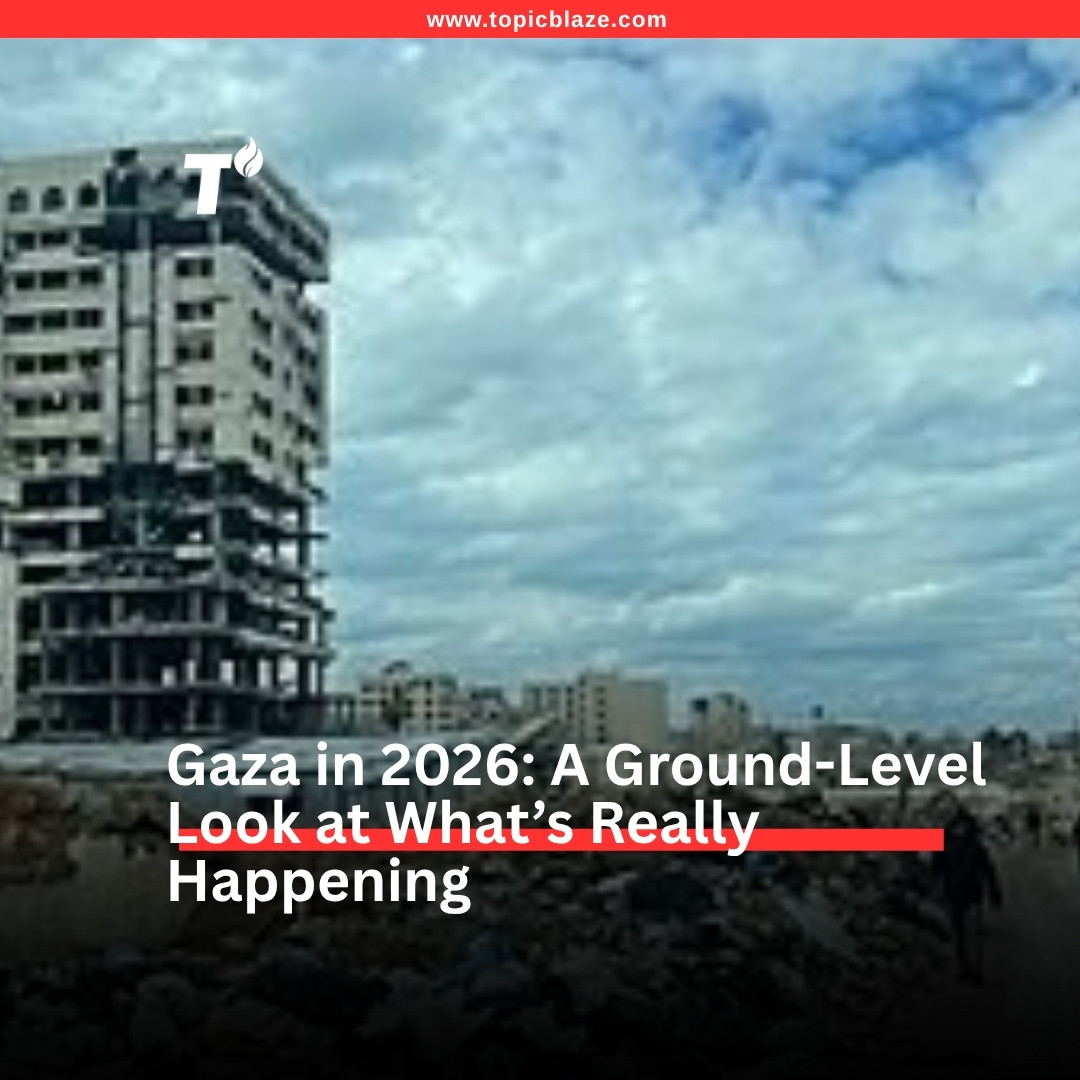
Eighteen months after the ceasefire that ended the most intensive phase of the Israel-Hamas war, Gaza exists in a state that defies easy categorization. It is neither at war nor at peace. Reconstruction has begun in some areas and been blocked in others. The humanitarian situation, while improved from the acute crisis of late 2023 and 2024, remains severe by almost any measurable standard. And the political questions that gave rise to the conflict remain entirely unresolved.
On the ground, the picture is granular and contradictory. In parts of northern Gaza, some families have returned to neighborhoods that are still largely rubble, living in tents or partially repaired buildings. International aid organizations have been able to scale up food, water, and medical deliveries significantly since the ceasefire, but the reconstruction of housing, hospitals, schools, and water infrastructure requires a level of investment and political will that has not materialized at the scale needed.
The United Nations estimates that rebuilding Gaza will take 15 to 20 years and cost $50 billion or more, given the scale of infrastructure destruction. Several donor conferences have been held, and pledges made — but the gap between pledges and actual disbursements, a chronic problem in post-conflict reconstruction, is already significant. Access restrictions, disputes over oversight mechanisms, and the continuing uncertainty around Gaza’s governance structure have all slowed the flow of funds.
People here are not asking for sympathy. They are asking for cement, for pipes, for schools to open again. The ceasefire stopped the bombs. It did not start the rebuilding.
— UNRWA field coordinator in Rafah, April 2026
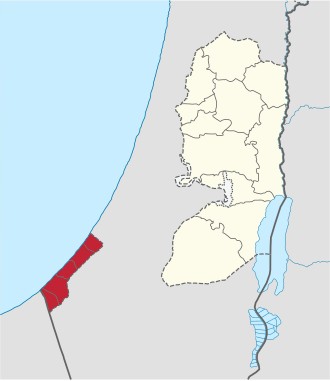
The governance question is the thorniest. The ceasefire agreement left Hamas weakened but not eliminated as a political and military force. The Palestinian Authority, headquartered in the West Bank, has limited capacity and legitimacy in Gaza. International actors — the U.S., Qatar, Egypt, and the Arab League — have all proposed various transitional arrangements, but none has gained sufficient buy-in from all parties to move forward. The vacuum is being partially filled by local clan and neighborhood committees, an improvised governance that functions for some purposes but cannot substitute for a functioning state administration.
Israel’s security posture remains cautious. The IDF continues periodic operations against what it describes as re-emerging militant infrastructure, which in turn creates friction with ceasefire monitors and complicates aid delivery. The international legal proceedings against Israel at the International Court of Justice and the International Criminal Court add another layer of political complexity to what is already an extraordinarily difficult environment for diplomacy.
Gaza in 2026 is a place where history sits heavily on the present and the future is deeply uncertain.
The people living there are navigating that uncertainty with a resilience that regularly outruns the world’s attention span. The question is whether that attention — and the resources and political will it can mobilize — will sustain long enough to matter.