

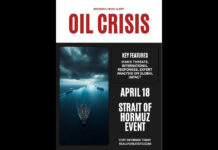











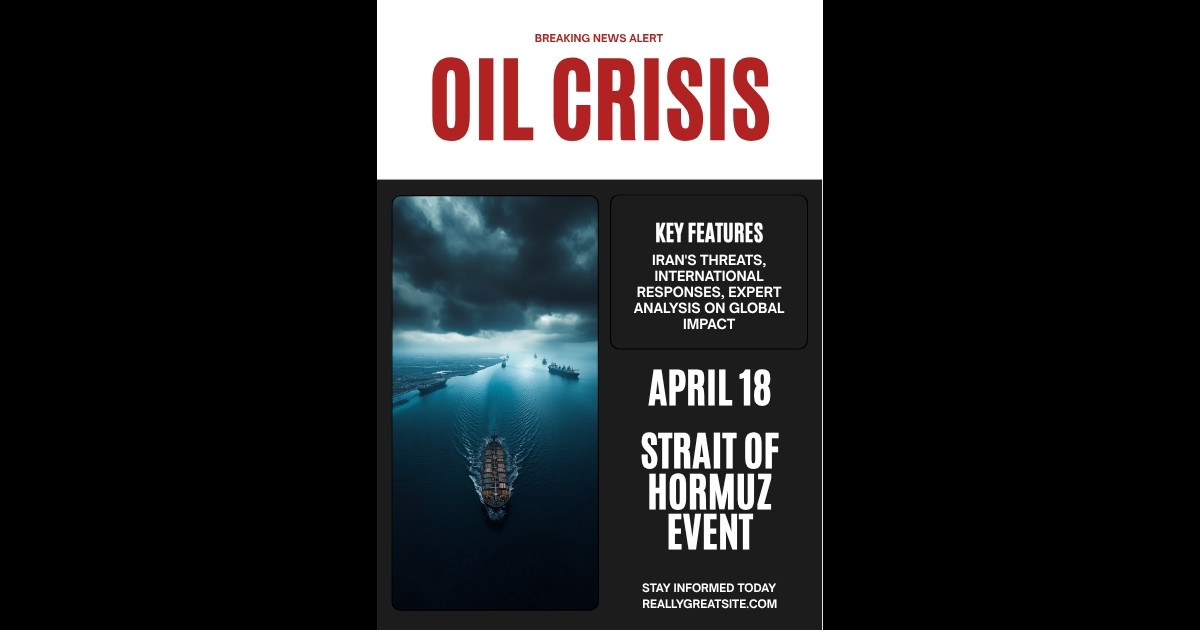
It handles 21% of the world’s oil supply — roughly 20 million barrels every day — and it’s only 21 miles wide at its narrowest point. The Strait of Hormuz has long been called the world’s most important oil chokepoint. Now Iran is once again threatening to close it, and the consequences for global energy markets could be catastrophic.
What Iran Actually Threatened
Iranian Admiral Ali Shamkhani, chief of the Supreme National Security Council, issued the most explicit Hormuz closure threat in years on Wednesday, stating that Iran “retains the sovereign right and military capability to restrict navigation through the Strait” if US sanctions continue targeting Iranian oil exports. The statement came one day after the US Treasury Department added seven Iranian tanker operators to its sanctions list — and just as ceasefire negotiations between the two sides are reportedly at an advanced stage.
Could Iran Actually Do It?
Iran has a range of military tools that could disrupt — though not indefinitely close — the Strait. These include anti-ship missile batteries on the Iranian coastline, naval mines, and fast-attack boat swarms deployed by the Revolutionary Guards Corps. In 2019, Iran used similar assets to attack several oil tankers in the Gulf of Oman without closing the Strait entirely. “Complete closure is extremely unlikely — it would invite a devastating military response from the United States,” said Anthony Cordesman, senior defense analyst at the Center for Strategic and International Studies. “But even partial harassment of tanker traffic could send oil prices surging $20–$30 per barrel within days.”
The Economic Stakes
The arithmetic of Hormuz disruption is stark. Roughly 17 million barrels of crude and 4 million barrels of liquefied natural gas pass through daily, destined primarily for Asia. Japan imports 83% of its oil through the Strait; South Korea and China depend on it for over 70% of their imports. Even a 20% reduction in flow would trigger immediate shortages and price spikes across Asian markets. The last time markets seriously priced in Hormuz closure risk — during Iranian naval exercises in January 2012 — Brent crude jumped 6% in a single trading session.
What This Means For You
A Hormuz disruption scenario would translate directly to higher gasoline, heating oil, and natural gas prices for American consumers within weeks. Airlines would face soaring fuel costs, frequently passed directly to ticket prices. The US has reduced its dependence on Middle Eastern oil since the shale revolution, meaning the domestic impact would be less severe than in past crises — but not negligible. Analysts suggest consumers watch the Hormuz situation closely in the coming weeks. Follow TopicBlaze World News for live coverage of the Iran-US situation.