













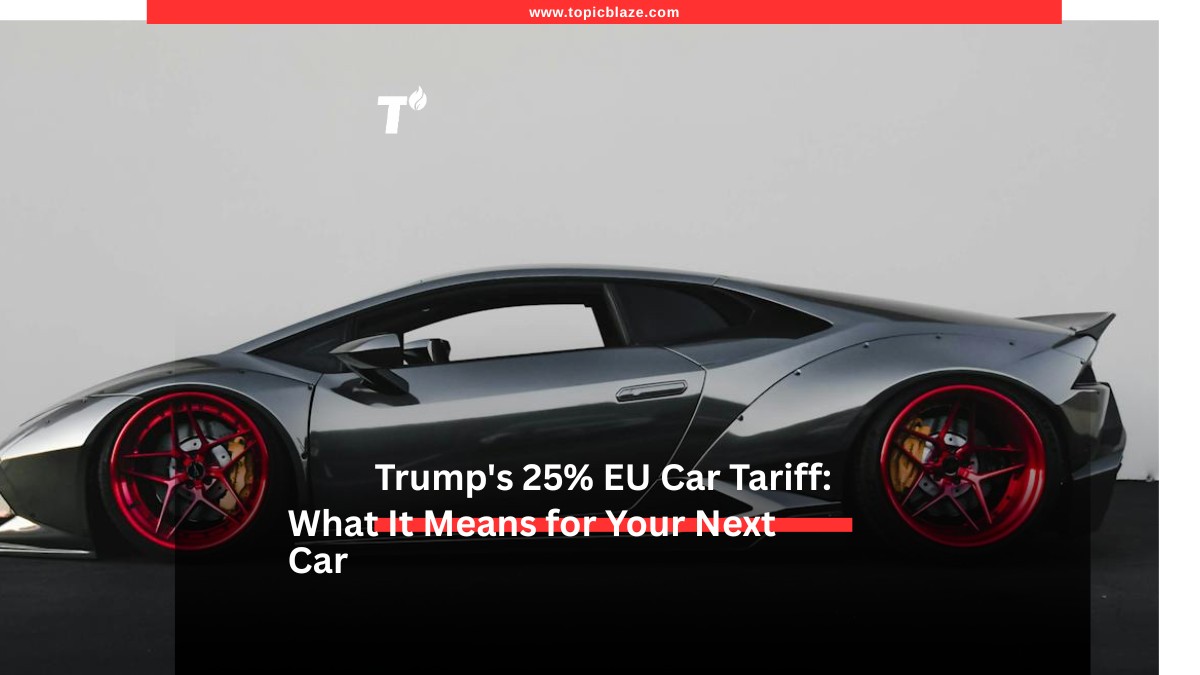
President Donald Trump announced last Thursday that the United States will impose a 25 percent tariff on all cars and trucks imported from the European Union, effective next week, accusing the 27-nation bloc of “not complying with our fully agreed to Trade Deal.” The announcement blindsided EU trade officials, who flatly rejected the non-compliance claim, and sent shares of BMW, Mercedes-Benz, and Volkswagen sharply lower in Frankfurt trading. For American consumers, the tariff threatens to add thousands of dollars to the sticker price of some of the most popular European vehicles sold in the US market.
Which EU Carmakers Will Be Most Affected?
The three automakers with the most exposure are Mercedes-Benz, BMW, and Volkswagen, all of which import a substantial share of their US-sold vehicles from plants in Germany, Hungary, and Slovakia. Mercedes imports its S-Class, E-Class, and most AMG performance models entirely from Germany. BMW imports its 3-Series, 5-Series, 7-Series, and M vehicles primarily from Munich, Leipzig, and Regensburg factories. A 25 percent tariff on vehicles retailing from $45,000 to well above $150,000 would add $11,250 to $37,500 or more to import costs — pressure companies are expected to pass to buyers.
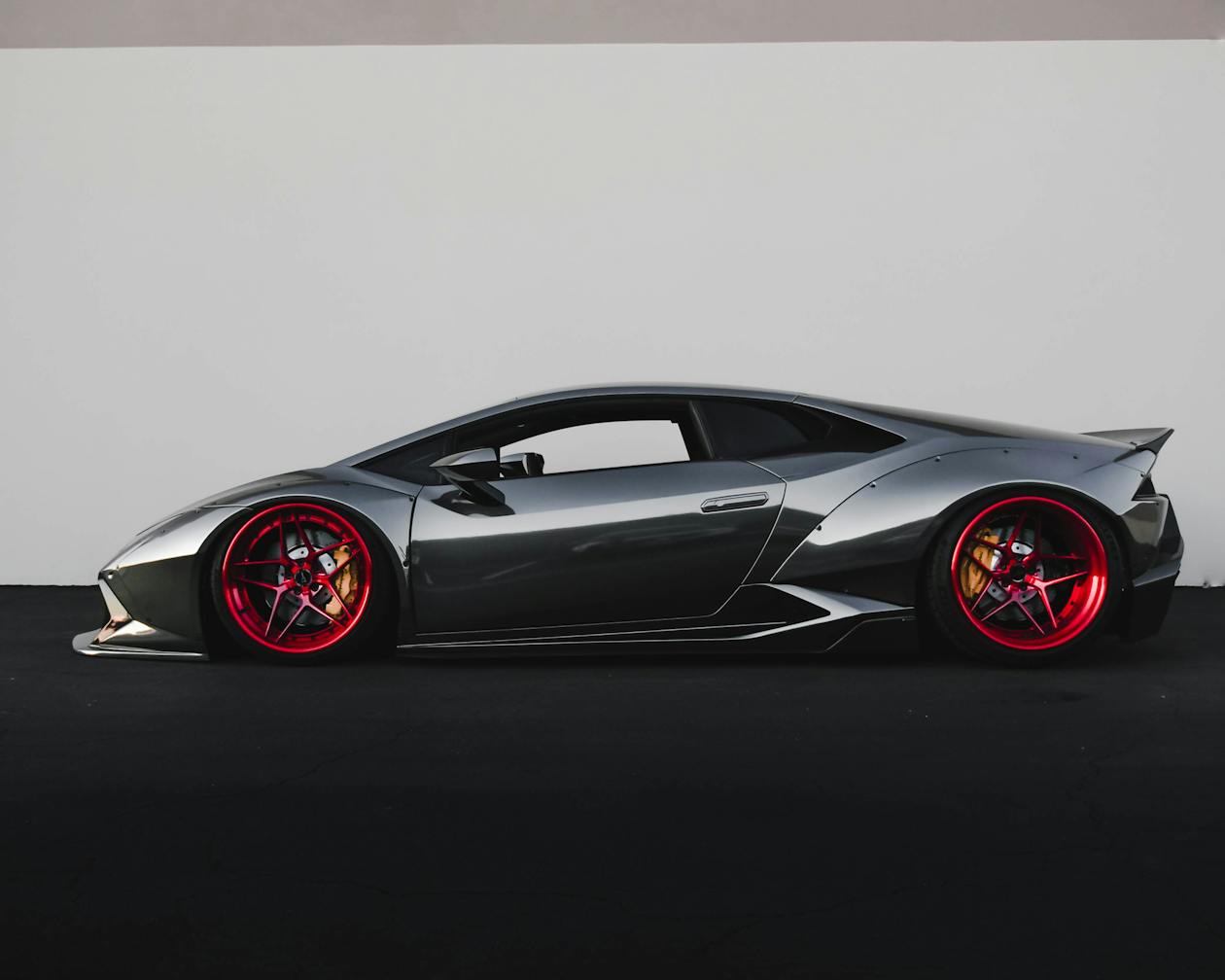
Volkswagen, Porsche, Audi, and Lamborghini all manufacture significant volumes of their US-bound inventory in Europe. Stellantis brands including Alfa Romeo and Fiat would also be affected. By contrast, Toyota, Honda, and Hyundai — which produce many US-sold models in American factories in Kentucky, Ohio, and Alabama — would be largely shielded from the tariff.
“This tariff is designed as a manufacturing ultimatum: build in America or pay a penalty that makes you uncompetitive. BMW and Mercedes have significant US capacity in South Carolina and Alabama respectively — the question is whether they can absorb the cost while expanding production there at the speed Trump is demanding.”
— Mary Lovely, Senior Fellow, Peterson Institute for International Economics
The European Commission rejected Trump’s non-compliance claim, with a spokesperson stating: “The EU has met its obligations under the trade agreement reached last year. This tariff has no legal basis and represents an unjustified unilateral action.” Brussels is preparing retaliatory measures targeting American bourbon, agricultural products, and aerospace components — a replay of the tit-for-tat escalation seen in 2018–2019.
What Was the Trade Deal Trump Says the EU Violated?
In early 2026, the US and EU reached a trade framework that set tariffs on most goods at 15 percent — down from the 30 percent Trump had previously threatened but higher than the near-zero pre-Trump baseline. The deal was already under legal strain after the US Supreme Court ruled in February that Trump lacked constitutional authority to invoke IEEPA to justify the highest tariff tiers — effectively capping EU tariffs at 10 percent under existing law. Trump’s new 25 percent car tariff directly challenges that ruling as well as the Brussels agreement.
Trump left one explicit escape hatch in his announcement: companies that manufacture cars and trucks in US plants will face no tariff. Both BMW and Mercedes already operate substantial US facilities — BMW’s Spartanburg, South Carolina plant produces more vehicles than any other BMW factory in the world — but their US capacity cannot absorb the full volume of European imports immediately without major new investment.
How Much More Will a European Car Cost?
At 25 percent, a BMW 3-Series currently retailing at $45,000 could see an import cost increase of approximately $7,500 to $11,250. Industry analysts expect European automakers to initially absorb a portion of the tariff to protect market share, so sticker price increases may appear smaller at first — perhaps $3,000 to $6,000 — but will grow over time if the tariff holds. American consumers shopping for European luxury vehicles in the next 60–90 days may still find dealers with pre-tariff inventory, but new orders will reflect the higher costs immediately.
The tariff also has ripple effects beyond showrooms. European auto parts used by American manufacturers — a $70 billion annual import category — face the same 25 percent rate, affecting production costs at US assembly plants. TopicBlaze has previously covered the widening US-EU trade tensions in the context of Trump’s tariff refund portal and the broader US-Germany tensions over NATO, of which this trade escalation is the latest chapter.
What This Means For You
If you’re in the market for a new European vehicle, the window for pre-tariff pricing on dealer inventory is narrow. Once existing stock sells through — typically four to twelve weeks for popular models — new vehicles will carry the tariff premium. If you own a European car that needs parts, expect service and repair costs to rise meaningfully over the next year. And if you work in auto retail, dealerships handling German brands are already consulting lawyers about import timing and vehicle transit to beat the effective date, meaning inventory at showrooms right now may be among the last at current prices.
Sources
- CNBC — Trump says he’s raising EU auto tariffs to 25%
- Euronews — Trump threatens EU car tariffs over alleged deal non-compliance
- Bloomberg — Trump Tariffs: US to Raise Tariff Rate on EU Cars to 25%