









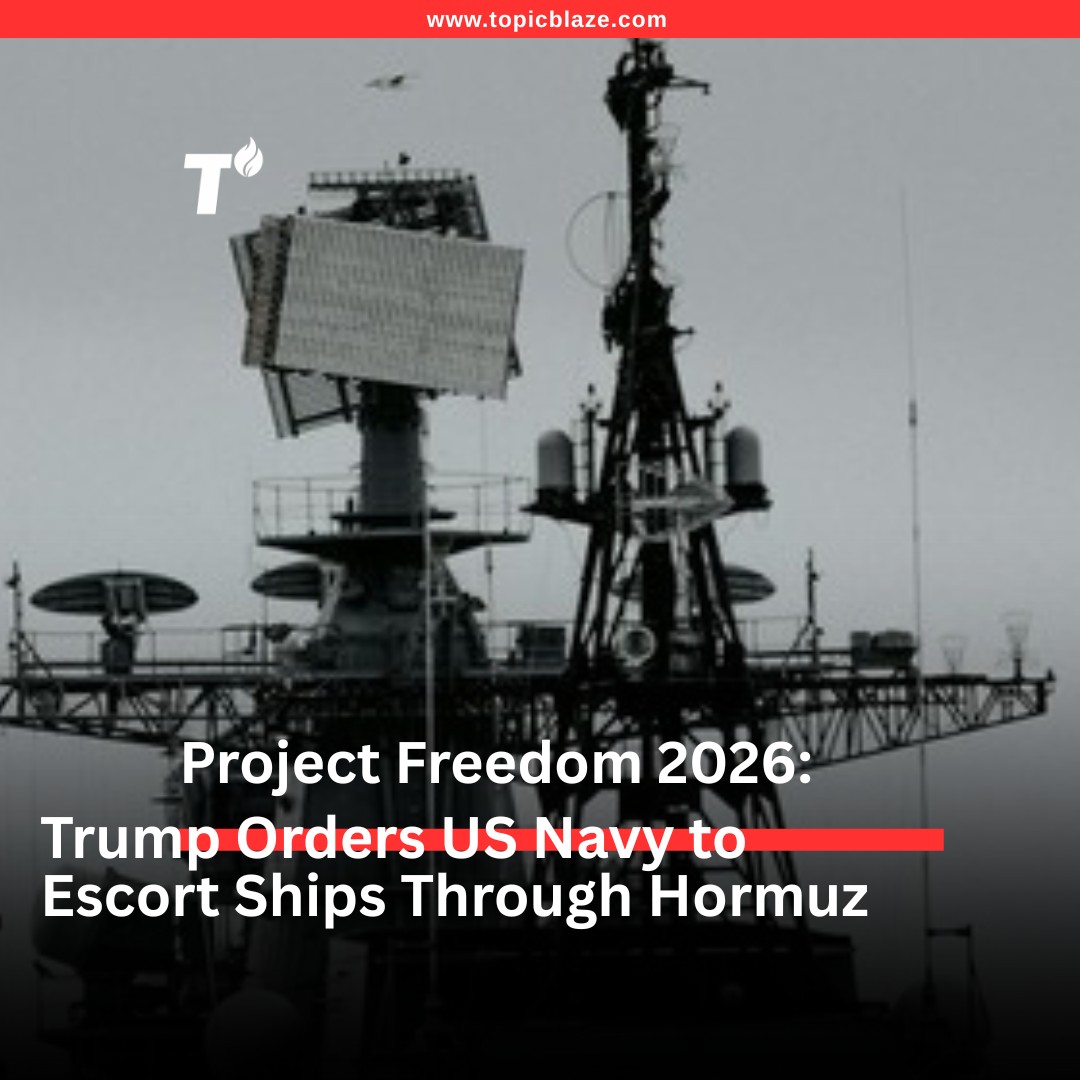
President Donald Trump has launched one of the most audacious naval operations since the Gulf War. On May 3, 2026, Trump announced “Project Freedom” — ordering U.S. Navy warships to begin escorting neutral and stranded vessels through the Strait of Hormuz starting Monday, directly challenging Iran’s de facto blockade of one of the world’s most critical shipping lanes. The operation puts 20,000 stranded seafarers and the global oil market squarely in the crosshairs of an already volatile conflict.
What Is Project Freedom and Why Does It Matter?
The Strait of Hormuz has been functionally closed since the start of the U.S.-Iran war on February 28, 2026. The narrow 21-mile-wide passage between Iran and Oman is the transit point for more than a quarter of all global seaborne oil trade — roughly one-fifth of the world’s total oil and petroleum consumption. With dozens of vessels from non-combatant nations trapped and unable to move, Trump framed the escort operation as a humanitarian gesture. “We’re going to help free up those ships. It’s a humanitarian thing,” Trump told reporters on Saturday, calling it a massive goodwill gesture.
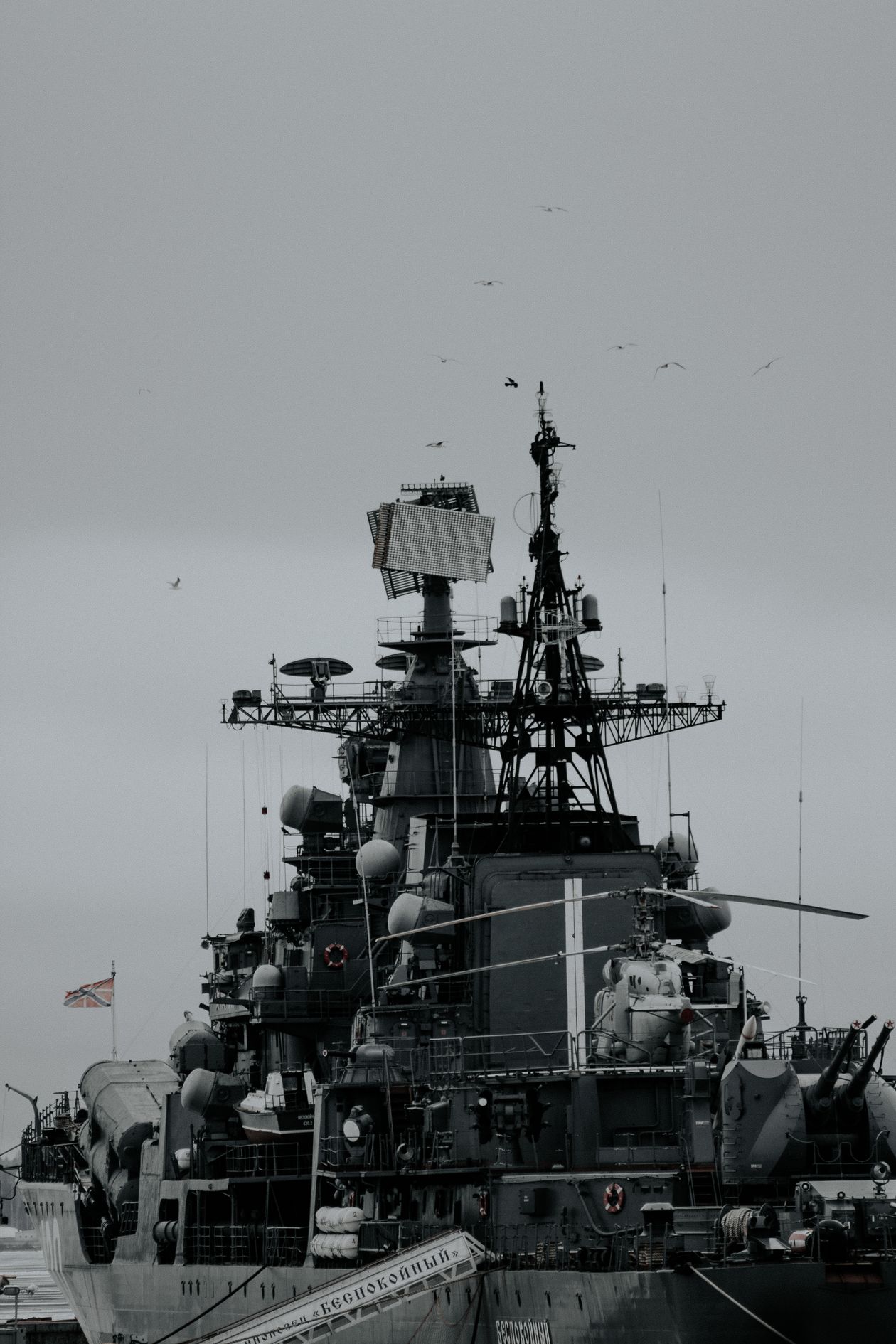
The operation is far more than humanitarian. By sending U.S. warships to physically escort vessels, Trump is forcing Iran to either stand down or risk direct military confrontation with the U.S. Navy — a move that could either end the blockade or dramatically escalate the conflict. Trump warned that if Iranian forces attempt to interfere, U.S. military personnel will respond with force. Negotiations over a permanent end to the Iran war have stalled repeatedly, making Project Freedom a high-stakes gamble.
“Project Freedom is a direct challenge to Iran’s control of the strait. Either Tehran backs down and lets these ships through, or it risks an incident that could reignite full-scale hostilities. Trump is betting Iran blinks first.”
— Rear Admiral (Ret.) Thomas Ellison, Naval Strategy Analyst, Center for Strategic and International Studies
The economic stakes couldn’t be higher. The average price of a gallon of U.S. regular gasoline has risen nearly 50% since the start of the Iran war, driven largely by Hormuz disruptions. Oil tankers, cargo vessels, and liquefied natural gas carriers from dozens of nations have been waiting for weeks, with some ships running low on food and essential supplies for their crews. The U.S. Energy Information Administration estimates the strait carries over 20 million barrels of oil per day under normal conditions.
How Is Iran Responding?
Iran has so far remained ambiguous. Government spokesperson Esmaeil Baghaei confirmed that Tehran is reviewing a new U.S. counter-proposal to Iran’s 14-point peace plan, and Trump said on Sunday that representatives are having “very positive discussions.” But Iran has made no formal comment on Project Freedom itself, leaving military commanders on both sides in a tense standoff. NATO allies in Europe, already rattled by the simultaneous announcement of a U.S. troop withdrawal from Germany, are watching the operation with deep anxiety. Earlier peace talks collapsed in Islamabad, underscoring how unpredictable this conflict has become.
The operation is also a direct signal to global energy markets. Oil futures dipped slightly on news of Project Freedom, with traders interpreting it as a potential pathway to restoring Hormuz flows. However, analysts warn that a single confrontation at sea could send prices to record highs overnight, with cascading effects for every consumer on the planet.
What This Means For You
Project Freedom’s success or failure will directly affect gas prices at the pump within days. If Iran stands down and ships begin moving through the strait, relief could come to fuel prices within weeks as oil supply chains normalize. If the operation triggers a military incident, expect another price spike on top of the 50% increase Americans have already absorbed since February. For the global economy, the Hormuz Strait is the world’s most critical energy chokepoint — and what happens there in the next 48 hours will shape everything from airline ticket prices to grocery bills across the United States.
Sources
- Axios — Trump says U.S. Navy will escort ships out of the Strait of Hormuz from Monday
- Washington Post — Trump says U.S. will guide ships through Strait of Hormuz
- CNBC — Trump says he is reviewing a new Iranian proposal to end the war